
About Us
Since its establishment, El Reedy Transportation & Logistics has provided transportation and customs clearance services to companies, importers, and exporters. Over the years, we have expanded our capabilities to offer a comprehensive range of logistics solutions that help our clients manage their operations more efficiently.
Gallery
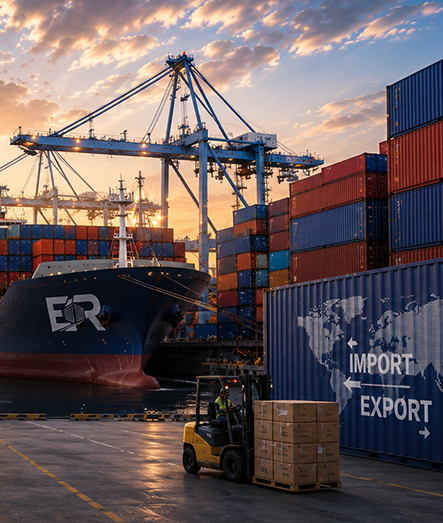
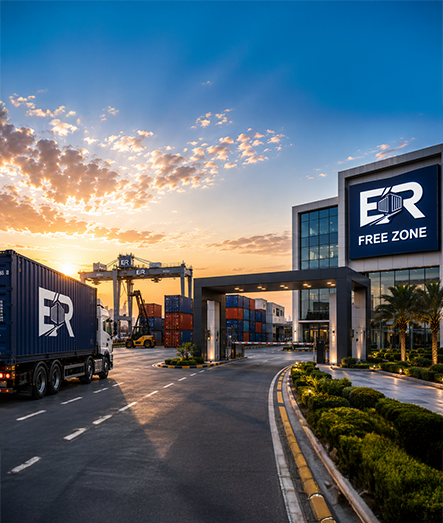



7 Mistakes That Delay Customs Clearance in Egypt & How to Avoid Them | Practical Guide

7 Mistakes That Delay Customs Clearance in Egypt and How to Avoid Them
If you have ever imported a shipment from abroad, you know that the challenge is not always the shipping process itself. In many cases, the real issue starts after the shipment arrives at the port.
Many importers assume that delays are caused by customs alone. However, a significant number of delays actually begin before the shipment even arrives, due to missing documents, inaccurate information, incorrect classification, or approvals that were not obtained in advance.
The result can be:
- Additional storage and demurrage charges.
- Delayed delivery to customers.
- Production disruptions.
- Capital being tied up for longer than expected.
In this practical guide, we will cover the 7 most common mistakes that can delay customs clearance in Egypt and, more importantly, how to avoid them before they become costly problems.
Why Do Some Shipments Take Longer to Clear Customs?
Not every shipment follows the same customs clearance process.
Egyptian customs applies risk-based procedures that determine the level of inspection and review required for each shipment based on several factors, including the nature and description of the goods, their value, country of origin, supplier, importer, and the applicable customs procedures.
As a result, one shipment may be released quickly, while another may require additional inspections, documents, or reviews.
The good news is that many potential causes of delay can be addressed before the shipment leaves the country of origin.
Mistake #1: Inconsistent Information Across Shipping Documents
One of the most common causes of customs clearance delays is inconsistency between shipping documents.
All required documents may be available, but the problem occurs when the information stated on them does not match.
Practical Example
The Commercial Invoice states:
Stainless Steel Bolts
while the Packing List states:
Industrial Fasteners
Or the invoice shows 500 pieces while the Packing List shows 520 pieces.
In such cases, customs authorities may require additional clarification or review to verify the actual nature and quantity of the goods.
Documents That Must Be Cross-Checked
- Commercial Invoice
- Packing List
- Bill of Lading
- Certificate of Origin
- ACI and ACID information
Keeping all shipment information consistent is one of the easiest ways to reduce avoidable customs delays.
How Can You Avoid This Mistake?
✔ Review all shipping documents before the shipment leaves.
✔ Make sure descriptions, quantities, weights, and values are consistent.
✔ Have the
Mistake #2: Delaying ACID Registration or ACI Requirements
With the implementation of Egypt’s Advance Cargo Information (ACI) system, importers must complete the required procedures before the shipment arrives.
The shipment information must be registered and an ACID number must be obtained and included in the required shipping documentation according to the applicable procedures.
What Happens If This Is Not Completed?
Failure to properly complete the required ACI procedures can result in significant procedural issues and may prevent the shipment from progressing through the clearance process as expected.
A Common Mistake
Some new importers wait until the goods have already been shipped before thinking about ACI requirements.
The better approach is to start the process before shipment, once the purchase and shipping arrangements have been confirmed.
How Can You Avoid This Mistake?
✔ Start ACI procedures as soon as you finalize the shipment with your supplier.
✔ Make sure the ACID number is reflected on the required documents.
✔ Review all shipment information before loading the goods. documents reviewed with your customs clearance specialist before shipment, not after arrival.
Mistake #3: Failing to Obtain Required Approvals for Restricted or Regulated Goods
One of the most frustrating situations for importers is:
“The shipment has arrived, but it cannot be released.”
In some cases, the issue is not customs itself but the absence of a required approval, certificate, registration, or permit.
Examples of Goods That May Require Additional Approvals
Food Products
May require documents, inspections, or certificates related to food safety.
Medical Products
May require approvals or registrations from the relevant regulatory authorities.
Medical Devices
May require specific registrations or regulatory documentation.
Agricultural Products
May require phytosanitary certificates or agricultural quarantine procedures.
Chemicals
May require specific permits or documentation depending on the nature and intended use of the material.
A Common Mistake
Many importers ask about required approvals after the shipment arrives.
The right question should be:
“Does this product require any special approvals before I ship it?”
How Can You Avoid This Mistake?
✔ Identify product-specific regulatory requirements before importing.
✔ Check the requirements with the relevant authorities in advance.
✔ Do not rely solely on another importer’s previous experience, as requirements may vary by product.


